About 3D Printing
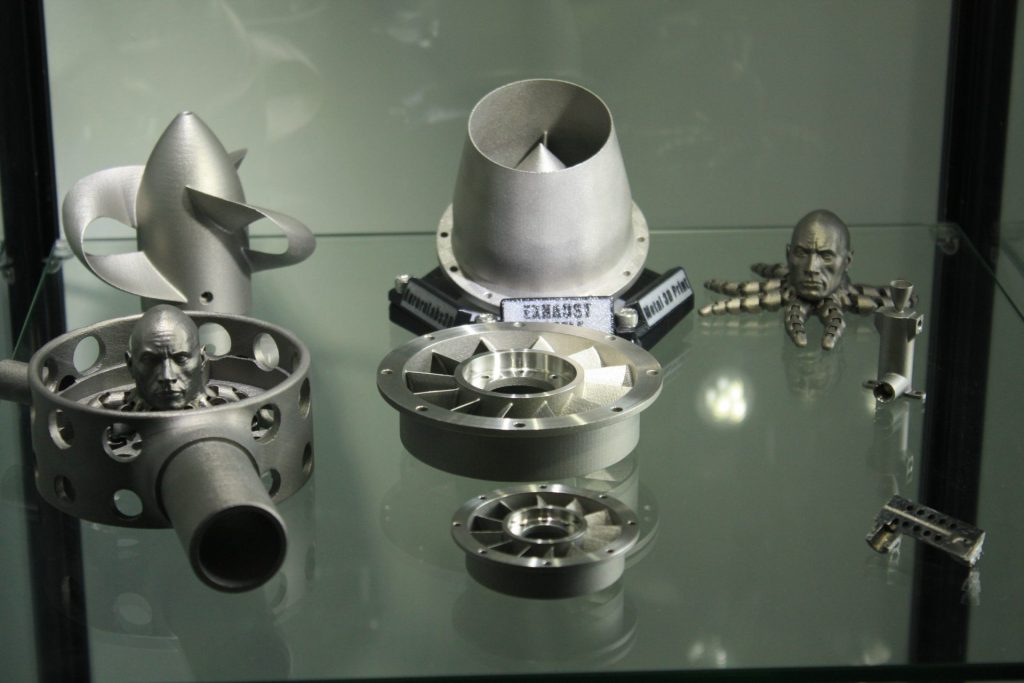
3D Metal Additive Manufacturing at Aurora
At Aurora, 3D metal additive manufacturing is used to solve manufacturing problems that traditional methods struggle with—long lead times, complex geometries, excessive material waste, and difficult-to-produce internal features. Our focus is not on the novelty of printing, but on delivering reliable, production-ready metal components. We approach additive manufacturing as a controlled metal deposition process, grounded in established principles of welding, metallurgy, and quality engineering. This perspective allows us to focus on what matters most to customers: predictable material behavior, consistent part performance, and manufacturable designs.
What This Means for Our Customers Faster paths from design to hardware – Additive manufacturing enables rapid iteration and reduced tooling dependency, allowing designs to move from concept to validated hardware without long delays.
Design freedom without production risk Complex internal channels, weight-optimized structures, and integrated features can be produced while maintaining control over material properties and structural integrity.
Manufacturing that scales Aurora develops additive processes with repeatability and qualification in mind, enabling parts to transition from prototypes to low- and mid-rate production without re-engineering the entire process.
Confidence in quality and compliance By emphasizing process control and material performance, Aurora produces parts that are suitable for inspection, documentation, and use in regulated environments.
Additive as Part of the Manufacturing System Aurora does not treat additive manufacturing as a standalone capability. Instead, it is integrated into a broader manufacturing strategy that includes post-processing, inspection, and validation. This ensures that additively manufactured parts meet real-world performance requirements—not just geometric targets.
By focusing on outcomes rather than equipment, Aurora helps customers use 3D metal additive manufacturing as a practical tool for solving real engineering and production challenges.